The Post-Storm Protocol: Critical Signs Your Oklahoma City Roof Sustained Damage

Living in the heart of Oklahoma, we are no strangers to the sheer power of the atmosphere. When a dry-line thunderstorm or a spring supercell rolls through the Oklahoma City metro, it brings with it a specific brand of chaotic energy: high-velocity straight-line winds, torrential downpours, and the ever-present threat of hail. Once the sirens fall silent and the clouds disperse, the immediate relief of safety often gives way to a secondary anxiety: the state of your home’s roof.
Many homeowners find themselves standing in their driveway, squinting at the shingles and asking, How Can I Identify Roof Damage After a Severe Storm in Oklahoma City? The challenge is that roof damage is a deceptive enemy. While a fallen tree is obvious, the microscopic fractures caused by hail or the broken adhesive seals caused by wind uplift are often invisible to the untrained eye.
At Shoemaker Roofing, we believe that an informed homeowner is a protected homeowner. This in-depth guide is designed to transform you into a savvy inspector, detailing the eight essential signs of storm damage that require immediate professional attention to ensure your home remains the sanctuary it was built to be.
1. Forensic Bruising: The Hidden Impact of Hail
In Oklahoma City, hail is perhaps the most frequent cause of roofing insurance claims. However, most hail damage does not look like a puncture; it looks like a "bruise." When a hailstone strikes an asphalt shingle at high speed, it creates a localized area of compression that fractures the fiberglass matting hidden beneath the surface.
To identify this, you must look for dark, circular spots where the protective mineral granules have been knocked away. These spots often feel soft to the touch, similar to the bruise on an apple. While a bruised shingle may not leak during the first rain after a storm, the raw asphalt is now exposed to UV radiation. Over the coming months, the sun will dry out that spot, the fracture will widen, and a leak will inevitably develop.

2. Granule Loss and "Sand" in the Gutters
Asphalt shingles are coated with crushed stone granules to protect the roof from the sun and provide fire resistance. A severe storm, particularly one involving hail or heavy wind, will "scour" the roof, stripping these granules away.
The most effective way to check for this is to inspect your downspouts and gutter troughs. If you see what looks like large amounts of dark sand or gravel, your roof has lost its protective armor. Significant granule loss is a definitive sign of "functional damage," meaning the shingles can no longer perform their intended task. This is a primary indicator that we use at Shoemaker Roofing to help homeowners justify the need for a full roof replacement through their insurance carrier.
3. Wind Uplift and Broken Adhesive Seals
The wind doesn't always have to blow a shingle off the roof to cause damage. In fact, the most insidious wind damage occurs when shingles are lifted and then settle back into place. Oklahoma’s high-velocity gusts create a vacuum effect that pulls shingles upward, breaking the "seal strip"—the adhesive bond that holds the layers together.
When you are assessing your roof from the ground, look for shingles that appear slightly "puffy" or uneven. Even if the shingle looks flat, the bond may be broken. A shingle with a failed seal is a ticking time bomb; during the next rain, "wind-driven rain" can be forced upward underneath the shingle, bypassing your roof's water-shedding system and soaking the wooden deck beneath.

4. Dented "Soft Metals" and Collateral Evidence
Sometimes the best way to identify roof damage is to look at things that aren't shingles. Adjusters and roofing specialists look for "collateral damage" on softer materials. Because metal reacts differently to impact than asphalt, it serves as a permanent record of the storm's intensity.
Check your roof vents (the metal "turtle" vents or ridge caps), your gutters, and your downspouts. If you see dents on these metal surfaces, it is almost certain that your shingles sustained similar impacts. If the hail was large enough to dent a metal vent, it was large enough to fracture the fiberglass matting of your shingles. Documenting these dents is a critical part of the insurance advocacy process we provide at Shoemaker Roofing.
5. Creased or Missing Shingles
This is the most obvious sign of damage, but it requires careful observation. When wind catch the edge of a shingle and folds it back, it creates a horizontal crease across the top of the shingle where the granules have been broken.
If you see shingles littering your yard or dark, rectangular gaps on your roof, the structural integrity of your home's barrier has been breached. Missing shingles leave the underlayment and plywood decking exposed to the elements. In the Oklahoma climate, an exposed roof deck can begin to rot or delaminate within just a few days of sun and rain exposure, making immediate repair a high priority.
6. Chipped or Cracked Chimney Flashing
The junctions of your roof—the areas around chimneys, dormers, and valleys—are the most common sites for leaks. These areas are protected by flashing, which are thin strips of metal designed to direct water away from the seams.
Severe storms can cause the house to shift slightly, or high winds can pull flashing away from the brick or siding. After a storm, look for metal that appears bent, rusted, or separated from the chimney. If the sealant (caulking) around the flashing is cracked or missing, water will follow the chimney straight down into your living room or attic.
7. Interior Water Spots and "Yellowing" Ceilings
Often, the signs of roof damage aren't found on the roof at all, but on your ceiling. After a severe Oklahoma City storm, perform a walkthrough of your upper floor. Look for yellow, brown, or grey stains on the drywall.
It is a common misconception that a leak will appear directly below the hole in the roof. In reality, water follows the path of least resistance, often running down a rafter for ten or fifteen feet before dripping onto the ceiling. If you see a new spot, no matter how small, it indicates that your roof system has failed, and water is now trapped within your home's structure.
8. Loose or "Rolling" Gutters
Your gutters are an extension of your roof. During a storm with heavy rain and wind, gutters can become overwhelmed by the volume of water or the weight of shingle granules. If the gutters were already slightly compromised, the added stress of a storm can pull the fasteners out of the fascia board.
If your gutters look like they are "rolling" forward or pulling away from the house, the wood they are attached to may be saturated and rotting. This "edge rot" is a major problem in Oklahoma and is often caused by water backing up under the shingles because the gutters could not drain properly during a severe weather event.
The Shoemaker Approach: Professional Advocacy and Resilience
Identifying these eight signs is the first step toward recovery, but the next step is even more vital. Many homeowners make the mistake of calling their insurance company before they have a professional, independent assessment. This can lead to a "denial of claim" if the adjuster misses the subtle signs of forensic bruising or seal failure.
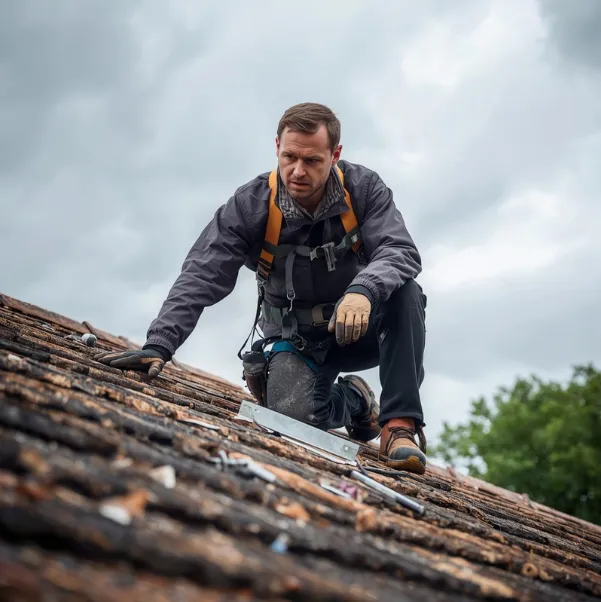
At Shoemaker Roofing, we act as your professional advocate. We provide a forensic-level inspection that goes far beyond a simple "look-over." We document the collateral damage, the mat fractures, and the seal failures that prove your home was compromised. Our goal is to ensure you receive a fair settlement that allows for a high-quality restoration—not just a cheap patch.
Furthermore, we believe in building back better. Following a storm, we often recommend upgrading to Class 4 Impact-Resistant Shingles. These shingles are engineered to flex under hail impact, which can prevent the very "bruising" we’ve discussed. In Oklahoma, many insurance carriers offer a significant discount on annual premiums for homes with verified Class 4 roofs, making it an investment that pays for itself over time.
Actionable Steps for the Oklahoma City Homeowner
If a storm has recently moved through your neighborhood, follow this safety-first checklist:
Stay on the Ground: Never climb onto a wet or potentially damaged roof yourself. Use binoculars to perform your visual inspection from a safe distance.
Take Photos of the Yard: If there is hail on the ground, or if you see shingles in the grass, take photos immediately. This serves as "evidence of peril" for your insurance claim.
Check Your Attic: Look for damp insulation or dark streaks on the wooden rafters.
Verify Your Policy: Do you have "Replacement Cost Value" (RCV) or "Actual Cash Value" (ACV)? Knowing this will help you understand your financial position.
Avoid "Storm Chasers": Be wary of contractors from out of state who knock on doors after a storm. Choose a local, established specialist with a permanent address in the OKC metro.
Oklahoma weather is a constant, but roof failure doesn't have to be. By knowing how to identify the subtle signs of damage and partnering with a local specialist who understands the regional climate, you can move from a state of crisis to a state of resilience.
Ready for a New Roof (or just a Check-up)? Start Here!
Simply fill out the form to book your professional roof check-up and detailed quote.