Strategic Navigation of Oklahoma Roofing Compliance Guidelines
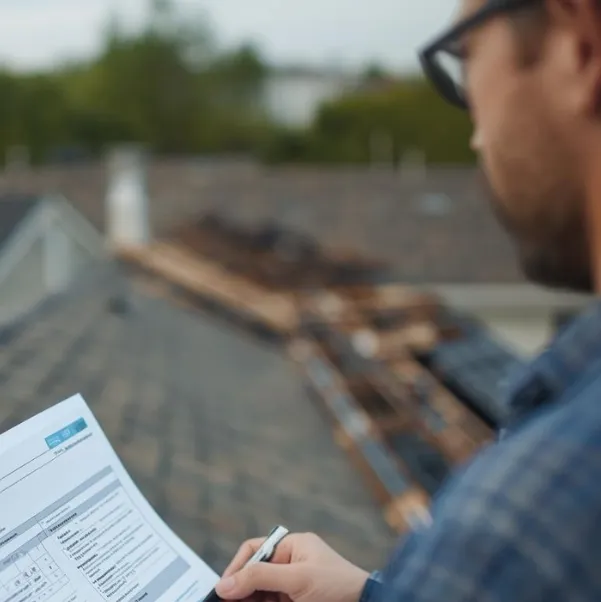
For Oklahoma homeowners, navigating the repair and replacement process after severe weather is a high-stakes endeavor. The foundation of a successful, long-lasting, and fully warranted roofing system is strict adherence to Oklahoma Roofing Compliance Guidelines. These codes are not just city rules; they are the Strategic Shield that guarantees your roof is engineered to withstand the state's unique combination of high winds, intense heat, and severe hail, all while securing your insurance and warranty coverage.
At Shoemaker Snoddy, our perspective is Risk Mitigation through Certified Compliance. We view the mandatory codes—primarily the International Residential Code (IRC) 2018 with Oklahoma Amendments—as the minimum engineering standard required to protect your asset. Compliance is the difference between a roof that performs for its warranted lifetime and one that fails prematurely, leaving you financially exposed.
This guide provides a strategic breakdown of the compliance milestones, ensuring homeowners understand their role in protecting their investment.
1. The Administrative Gateways: Licensing and Permits
The process of compliance starts before the first shingle is lifted. These administrative steps are crucial for legal and financial protection.
A. Non-Negotiable Contractor Registration
The State of Oklahoma, through the Construction Industries Board (CIB), mandates that all residential roofing contractors be registered. This is a critical homeowner protection.
Legal Requirement: It is unlawful to act as a roofing contractor without a current CIB registration. This registration ensures a basic level of professional accountability.
Insurance Mandate: To maintain CIB registration, contractors must carry a minimum of $500,000 in General Liability Insurance. This shields the homeowner from liability in the event of accidental property damage or worker injury. Homeowners must always verify their chosen contractor's CIB status.
B. The Mandatory Permit Process
Most Oklahoma municipalities, including Oklahoma City, require a permit for significant roofing work.
Trigger Threshold: In Oklahoma City, a permit is required for any roof removal, repair, or replacement project on a single-family home or duplex that is over 500 square feet.
Permit as Oversight: The permit (which typically costs around $94.50) triggers the city's oversight mechanism: the mandatory inspection process. This ensures the work is done safely, professionally, and in full compliance with the IRC.
The Contractor's Responsibility: The CIB-registered contractor must apply for the permit, handle the fee, and schedule the required inspections. A conscientious homeowner ensures this process is completed and the permit is posted before work commences.
2. Structural Compliance: Wind and Deck Codes
The core of Oklahoma Roofing Compliance Guidelines focuses on how the roof assembly is secured to the structure to resist uplift and maintain integrity against the state's signature high winds.
A. Decking Integrity Verification (IRC Requirements)
The quality of the wooden deck beneath the shingles is the foundation of code compliance.
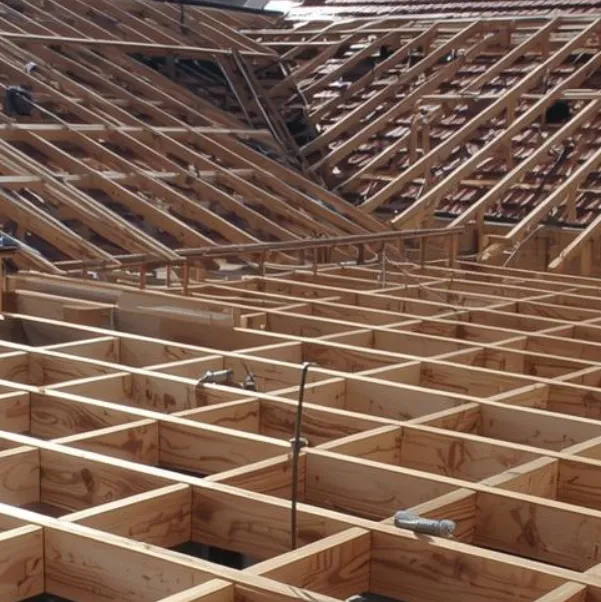
Tear-Off Inspection Checkpoint: The permit requires a mandatory tear-off inspection precisely to verify the condition of the roof deck sheathing (plywood or OSB). Inspectors check for rot, water damage, or widespread delamination.
Replacement Mandate: The code dictates that damaged or compromised sections of the deck must be replaced according to structural standards (e.g., minimum thickness and proper fastener spacing) before any new roofing materials are applied. Failing this inspection means the system lacks the structural stability to support the new materials and resist wind loads.
B. Wind Uplift Resistance Standards
Oklahoma's location demands stringent adherence to wind-resistant construction.
Code Adoption: The state adopted the 2018 International Residential Code with 2022 Oklahoma Amendments, which relies on standards like ASTM D7158 for wind design criteria. This dictates the minimum ultimate design wind speed the roof must be engineered to resist.
Enhanced Fastening Strategy: While IRC minimums often specify four nails per shingle, best practice under Oklahoma Roofing Compliance Guidelines often requires six fasteners per shingle in high-wind regions. This enhanced, code-compliant fastening pattern, particularly at the perimeter and corners where wind uplift forces are highest, is critical for achieving true Code-Validated Resilience.
C. Ice and Water Shield Requirements
Compliance requires using specialized materials in high-risk moisture zones.
Moisture Barrier: The IRC mandates the application of a highly adhesive ice barrier (commonly known as ice and water shield) along the eaves and in all roof valleys. This non-permeable membrane provides a crucial second line of defense against leaks caused by wind-driven rain or backed-up water.

3. The Performance Mandate: Ventilation and Energy Codes
Code compliance extends into the attic space, directly impacting shingle lifespan and energy efficiency.
A. The Balanced Ventilation Rule (IRC R806)
Proper attic ventilation is not merely about comfort; it is a direct code requirement designed to prevent premature material failure.
Minimum Net Free Area: The IRC mandates a minimum net free ventilating area (NFA) calculated as 1/150 of the area of the vented space, with an exception allowing 1/300 if specific conditions—such as a vapor barrier on the warm side of the ceiling and a balanced split—are met.
The Balance: The system must be balanced, meaning roughly 40-50% of the required NFA must be supplied by intake vents (low, usually soffits) and 50-60% by exhaust vents (high, usually ridge vents).
Mitigating Heat Damage: Failure to comply with ventilation codes causes trapped attic heat (often exceeding 140⁰F) to bake the shingles from below, accelerating granule loss and voiding the manufacturer's warranty. This is a common code failure that Shoemaker Snoddy actively mitigates through design.
B. Energy Efficiency (IECC Intersection)
While primarily covered by the International Energy Conservation Code (IECC), the roof assembly must integrate with insulation standards.
Thermal Envelope: The roof system must be installed in a way that allows the required R-value of attic insulation to perform properly. Vents and baffles must prevent insulation from blocking the free flow of intake air at the eaves, another critical element of Oklahoma Roofing Compliance Guidelines.

4. The Compliance Shield: Insurance and Warranty Validity
The most compelling reason for strategic compliance is financial security. The passed inspection is your legal proof of quality.
A. Warranty Preservation Prerequisite
High-tier, non-prorated manufacturer warranties are strictly contingent upon the installation adhering to all local and state building codes.
Proof of Adherence: If a defect occurs and an investigation finds the roof was installed without a permit, failed inspection, or used an unapproved fastening pattern, the manufacturer has a clear, legal basis to deny the warranty claim. The passed final inspection is the homeowner’s definitive proof of compliance.
B. Insurance Claim Finalization
Following a major claim, the insurance company agrees to pay for a code-compliant replacement.
No Corners Cut: The permit and inspection process ensures that the contractor is not cutting corners (e.g., leaving damaged deck sections or failing to use the required enhanced fasteners) which would violate the terms of both the code and the insurance settlement.
Property Valuation: A completed roofing job with a final passed inspection on file with the city adds measurable, verifiable value and removes liability when the home is eventually sold.
Strategic Navigation Secures Your Asset
For homeowners, navigating Oklahoma Roofing Compliance Guidelines is not just about checking boxes; it is a strategic mandate for asset protection. The permit, the CIB registration, the tear-off inspection, and the final inspection are all engineered checkpoints designed to ensure your roof achieves Code-Validated Assurance against Oklahoma's most destructive forces. By insisting on a CIB-registered contractor committed to these strict IRC standards, you secure not only the structural integrity of your home but also the financial guarantees of your insurance claim and your manufacturer's warranty.
Ready for a New Roof (or just a Check-up)? Start Here!
Simply fill out the form to book your professional roof check-up and detailed quote.