Rapid Response: 8 Critical Indicators of Urgent Roof Failure
Living in Oklahoma City requires a high level of preparedness for environmental extremes. The seasonal transitions often bring high-intensity weather events, from the heat waves of August to the severe thunderstorms and hail of the spring. In this geographic region, a roofing system serves as a sophisticated barrier that protects a property’s structural integrity and its inhabitants. However, even the most robust systems are subject to wear and degradation over time.
Many property owners find themselves asking, "How do I know when my roof needs urgent repairs in Oklahoma City?" Recognizing the symptoms of a failing roof early can be the difference between a controlled repair and a catastrophic structural failure. In the local climate, minor vulnerabilities often escalate into significant capital expenses within a single storm season. At Shoemaker Roofing, we emphasize proactive identification to help homeowners maintain their assets.
The following eight warning signs indicate that a roof may no longer be providing the protection required to withstand the specific pressures of the Oklahoma climate.
1. Substantial Granule Accumulation in Gutters
Asphalt shingles are manufactured with a surface layer of mineral granules. These granules are not merely aesthetic; they serve as the primary defense against ultraviolet radiation. In Oklahoma, where the sun remains intense for a large portion of the year, UV exposure can rapidly degrade the underlying asphalt.
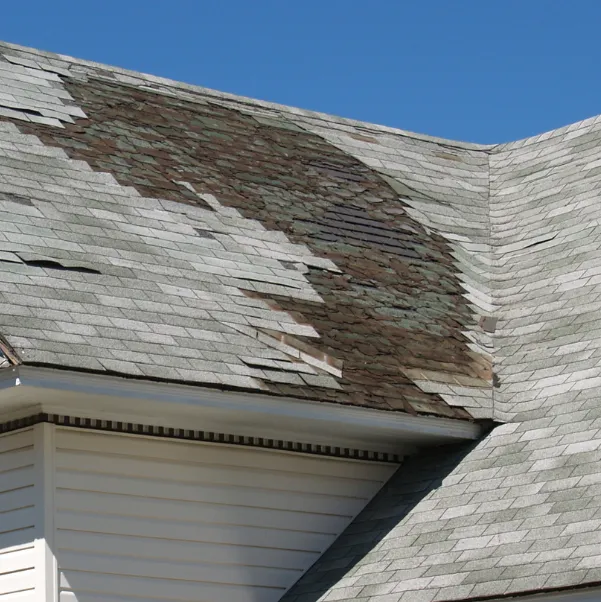
When you observe a heavy accumulation of granules in your gutters or at the base of your downspouts, it is a clear indicator that the shingles are reaching the end of their functional life. This "scouring" effect is often accelerated by hail impact, which knocks the granules loose. Once the granules are gone, the asphalt dries out and becomes brittle, leading to cracks and, eventually, systemic leaks.
2. Curling and Buckling of Shingle Planes
A roof should ideally maintain a uniform, flat profile across its entire surface. When shingles begin to turn upward at the edges (known as cupping) or develop a wavy appearance in the center (buckling), the system is failing.
In the Oklahoma City area, this distortion is frequently a symptom of inadequate attic ventilation. When heat and moisture are trapped in the attic space, the resulting temperature differential can "cook" the shingles from the underside. Distorted shingles are aerodynamically compromised, making them highly susceptible to wind uplift during the high-velocity gusts common to the southern plains.

3. Forensic Bruising From Hail Impact
Because Oklahoma is situated in a high-frequency hail zone, impact damage is a primary cause of roofing failure. However, not all hail damage is immediately visible from the ground. Many homeowners overlook "bruising," which occurs when a hailstone strikes the shingle with enough force to fracture the fiberglass matting inside without necessarily puncturing the outer layer.
These bruises appear as dark, soft spots where the granules have been compressed or displaced. While they may not leak during the first rain after a storm, the expansion and contraction cycles of the seasons will cause these fractures to widen. Identifying these bruises early through a forensic inspection is critical for justifying an insurance claim and preventing long-term water intrusion.
4. Deteriorated or Lifting Flashing at Junctions
Flashing consists of thin metal strips installed at the intersections of the roof, such as valleys, chimneys, and vent pipes. It is the roof’s primary method of waterproofing its most vulnerable points. Because metal expands and contracts at a different rate than the wooden roof deck and asphalt shingles, the extreme temperature fluctuations in Oklahoma often cause flashing to warp or pull away from the structure.
If the sealant around your chimney appears cracked or if the metal itself is rusted or lifting, the seal is broken. In many older OKC homes, flashing was installed using outdated methods that no longer meet current building codes. Ensuring these junctions are watertight is essential for preventing leaks that often go unnoticed in the attic until they cause major ceiling damage.

5. Wind-Lifted Shingles and Seal Strip Failure
The high winds of the Oklahoma plains create a vacuum effect known as aerodynamic uplift. When wind speeds reach critical levels, they can lift the edges of shingles. Even if the shingles do not blow off entirely, the "seal strip"—the adhesive bond between shingle layers—can be permanently broken.
A shingle with a failed seal may lay flat and appear undamaged from the street, but it is no longer bonded to the rest of the roof. During a "wind-driven rain" event, water can be forced upward underneath these loose shingles. This bypasses the roof's water-shedding design and leads to moisture accumulation on the roof deck, which eventually rots the wood.
6. Daylight Penetration in the Attic Space
One of the most definitive ways to answer the question, "How do I know when my roof needs urgent repairs in Oklahoma City?" is to perform a visual check from the inside. By entering your attic during the day and turning off all artificial lights, you can check for gaps in the roofing system.
If you can see slivers of daylight through the roof boards or near the ridge line, the barrier has been breached. If light can penetrate the system, water and wind will eventually follow. These gaps often indicate that the decking has shifted or that the ridge capping has been compromised by wind or age.
7. Sagging or Uneven Roof Decking
A sagging roof line is a structural warning sign that requires immediate attention. If you notice a "dip" or a "wave" in your roof from the curb, it typically indicates that the plywood or OSB decking beneath the shingles has been saturated with water.
Moisture causes wood to swell, rot, and lose its load-bearing capacity. In Oklahoma, this is particularly dangerous during the winter months when a heavy snow or ice load can put additional stress on a weakened deck. A sagging roof indicates that a leak has likely been active for a significant period and has compromised the structural bones of the home.
8. Exceeding the 15-Year Age Threshold
While manufacturers often advertise shingles as having 25- or 30-year lifespans, the reality of the Oklahoma climate is much more demanding. The combination of intense UV radiation, high winds, and frequent hail means that most standard asphalt roofs in the OKC metro area reach their "replacement phase" between 15 and 20 years of age.
As shingles age, the essential oils in the asphalt evaporate, causing the material to lose its flexibility. Brittle shingles cannot withstand the "thermal shock" caused by the rapid temperature drops that often accompany Oklahoma cold fronts. If your roof is approaching this age milestone, it is statistically likely to have multiple micro-vulnerabilities that will fail during the next major weather event.

Professional Advocacy and Damage Documentation
Identifying these warning signs is only the first step. For homeowners in Oklahoma City, navigating the aftermath of damage requires more than just a repair crew; it requires professional advocacy. Many insurance adjusters miss the subtle signs of "functional damage" like mat fractures or seal strip failures, which can lead to denied claims or insufficient settlements.
At Shoemaker Roofing, we provide forensic damage documentation to ensure that every vulnerability is accounted for. We advocate for the use of high-performance materials, such as Class 4 Impact-Resistant shingles. These shingles are engineered to flex during hail impact, which not only provides superior protection but can also qualify homeowners for significant insurance premium discounts.
Summary of Actionable Maintenance
To protect your property, consider the following proactive steps:
Annual Forensic Inspections: Have a professional evaluate your roof’s health before the spring storm season begins.
Gutter Maintenance: Keep drainage paths clear to prevent water from backing up under the roof eaves.
Policy Review: Understand the difference between Replacement Cost Value (RCV) and Actual Cash Value (ACV) in your insurance policy before you need to file a claim.
Compliance with Oklahoma Law: Be aware that under House Bill 1940, it is illegal for contractors to waive insurance deductibles. Always work with licensed, transparent professionals to avoid insurance fraud.
Oklahoma weather is a constant factor that homeowners must manage. By recognizing these eight warning signs early and partnering with local specialists who understand the regional climate, you can move from a state of emergency repair to a state of long-term home resilience.